Remote operations punish uncertainty
Remote operations are unforgiving. Whether the mission is wildfire response, disaster relief, search and rescue, border security, infrastructure protection, or forward deployment to an austere site, the environment usually has one thing in common: limited information at the exact moment when good decisions matter most.
In those environments, airspace awareness is not a luxury. It is not a nice extra for well-funded programs or a feature reserved for large command centers. It is a practical requirement. When aircraft, drones, responders, and shifting operational boundaries all come together in a remote or degraded environment, the team in charge needs to know what is in the air, what is approaching, and what may be creating a threat to the mission.
“Awareness does not help much if it is sitting somewhere else. You need the receivers where the operation is actually happening.”
That problem becomes even more serious when the operation is far from normal infrastructure. Many remote sites do not have the advantages people take for granted in urban or fixed-facility environments. Communications can be degraded. Internet access can be unreliable or nonexistent. Terrain can block visibility. Local radar coverage may be poor or unavailable. Cell coverage may be weak. Weather can change rapidly. In some cases, the operation may be taking place in a disaster zone where normal systems have already failed.
When the picture breaks down, risk rises fast
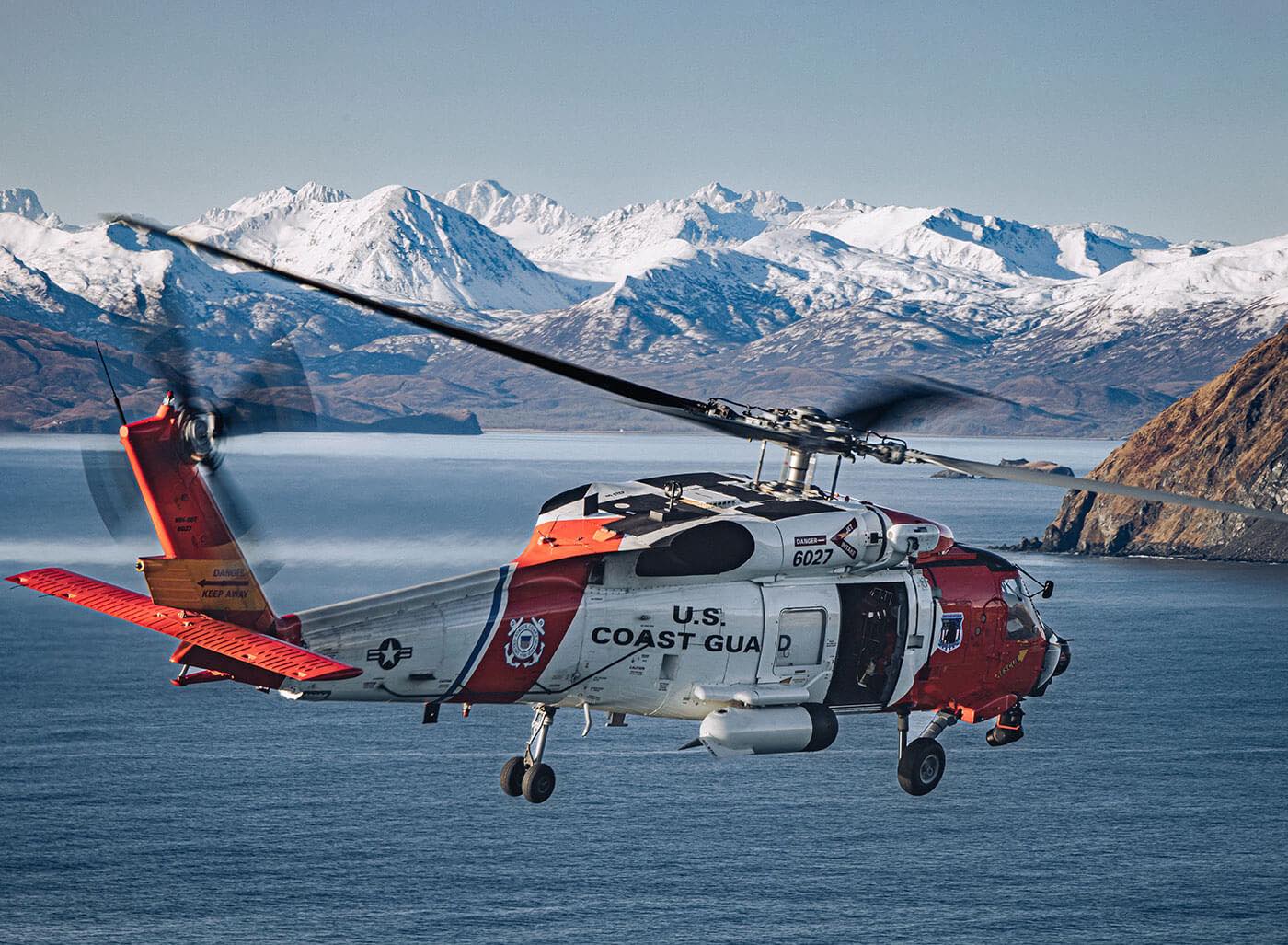
That is exactly where uncertainty starts to spread. A helicopter may be inbound. A low-flying fixed-wing aircraft may be working nearby. A drone may be in the area. Another responder may launch an unmanned aircraft from a different part of the operation without everyone else realizing it. A team may know there is air activity, but not have a complete picture of what is happening, how close it is, or whether it poses a conflict to the mission.
PerimeterScope is built to solve that problem.
PerimeterScope brings airspace awareness to remote operations by combining critical aviation and drone awareness tools into a field-deployable operational picture. Instead of forcing teams to work from fragmented data, separate systems, delayed reports, and radio traffic alone, PerimeterScope is designed to help them see more clearly what is happening in and around the airspace that matters to them.
At its core, that means bringing together crewed aircraft awareness and drone awareness in a way that is practical for real-world field operations. PerimeterScope receives ADS-B and UAT traffic to show nearby aircraft activity while also integrating Remote ID detection to reveal compliant drone broadcasts in the operational area. The result is a clearer view of both manned and unmanned traffic, which is exactly what remote teams need when they are working in dynamic and often unpredictable environments.
Built for the places where normal systems fail
That matters because remote operations rarely fail all at once. They degrade piece by piece. First, visibility is limited. Then communications become patchy. Then air traffic becomes harder to track. Then a drone shows up unexpectedly, or a low aircraft moves through the area, or multiple teams begin operating in the same space with incomplete coordination. By the time the confusion is obvious, the risk has already increased.
PerimeterScope is designed to reduce that uncertainty before it grows into a safety problem or an operational problem. It helps teams establish awareness earlier, maintain it longer, and share it more effectively across the people responsible for command, safety, coordination, and response.
This is especially important in disaster and contingency environments. When infrastructure is damaged, when conventional monitoring is unavailable, or when teams are operating from temporary sites, it becomes much harder to maintain a dependable picture of local air activity. In those moments, responders cannot afford to be blind. They need tools that can go with them, work where they work, and support the mission instead of depending on ideal conditions that no longer exist.
That field-ready mindset is central to the concept. PerimeterScope is built around the realities of remote deployment, not the assumptions of a fixed office or permanent operations center. The broader system approach behind it reflects experience in environments where teams need situational awareness, communications capability, and practical mobility at the same time. That includes scenarios where aircraft tracking, local display, resilient connectivity, and rapid setup are not optional features but operational necessities.
Crewed aircraft and drones now share the same airspace
The value becomes even clearer when drones are part of the equation. Remote operations increasingly involve legitimate drone use for mapping, reconnaissance, overwatch, assessment, and public safety support. At the same time, unauthorized or unknown drones can create confusion, safety concerns, and mission disruption. Without a common picture, teams may struggle to determine whether a detected drone belongs to their own operation, another authorized partner, or someone who should not be there at all.
PerimeterScope helps close that gap. By providing Remote ID awareness alongside conventional aircraft visibility, it gives command staff and operators a better basis for understanding what is in the airspace around them. That does not eliminate the need for procedures, coordination, and aviation discipline. It does give teams a stronger foundation for making decisions with speed and confidence.
That distinction matters. Airspace awareness is not about replacing judgment. It is about supporting judgment. It is about reducing guesswork, narrowing uncertainty, and allowing the people in charge to act on something better than partial reports and assumptions. In remote operations, that can make the difference between a coordinated mission and a confused one, between a controlled airspace picture and an avoidable conflict.
Better awareness supports better tempo
The operational benefits extend well beyond safety alone. Better awareness supports better tempo. Teams can coordinate aircraft and drone activity more effectively. They can reduce delays caused by uncertainty. They can communicate more clearly with field elements. They can maintain a more credible common operating picture for leadership and partner agencies. They can adapt faster when conditions shift, when new assets arrive, or when the mission expands.
That is important because remote operations are rarely static. A wildfire can move. A search area can widen. A disaster response footprint can grow. A temporary landing zone can become busier than expected. A staging area can turn into a hub for multiple agencies. As complexity increases, the penalty for poor situational awareness increases with it.
PerimeterScope is designed for exactly those moments. It helps make the invisible more visible and the uncertain more understandable. It gives teams a better way to monitor nearby aircraft activity, detect compliant drone broadcasts, and maintain local awareness even in places where traditional infrastructure may be weak, damaged, or absent.
Awareness is not optional in the field
For agencies and organizations working in remote, off-grid, or rapidly changing environments, that is not just useful. It is foundational. The mission depends on knowing what is around you, what is above you, and what is moving into your airspace before it becomes a problem.
That is how PerimeterScope brings airspace awareness to remote operations. It brings together the information that matters, in a form that field teams can actually use, where and when they need it most. In an environment where distance, terrain, damaged infrastructure, and incomplete information can all work against the mission, PerimeterScope helps restore the one thing operations cannot function without: awareness.
See what is happening before it becomes a problem
If your team operates in disaster zones, wildfire environments, remote infrastructure corridors, austere forward locations, or other high-risk field conditions, you already know how quickly uncertainty becomes risk. PerimeterScope is designed to give you a clearer picture of the airspace around your operation so you can protect personnel, support better decisions, and keep the mission moving.
Request a demo to see how PerimeterScope can help bring real airspace awareness to your remote operations.
Ready for better awareness? Request your demo today.
Request a Demo